

 Torture in U.S. Prisons
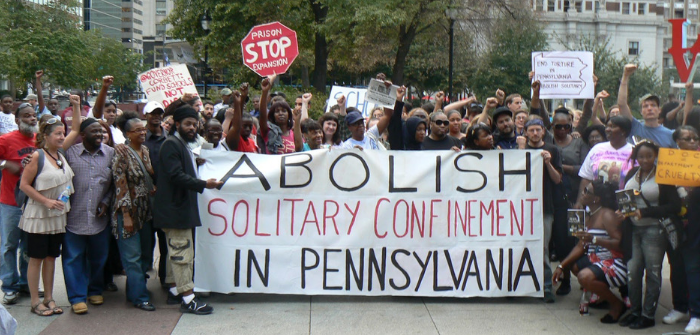
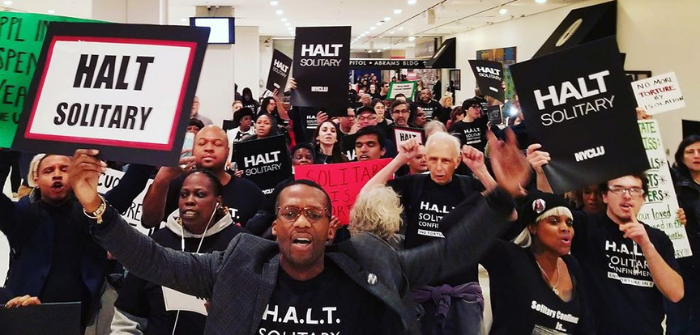
 The National Religious Campaign Against Torture works to end the torture of solitary confinement, promoting restorative alternatives and human rights. Join us!
TAKE ACTION
- Sign the National Pledge: A Moral Call to End the Torture of Solitary Confinement
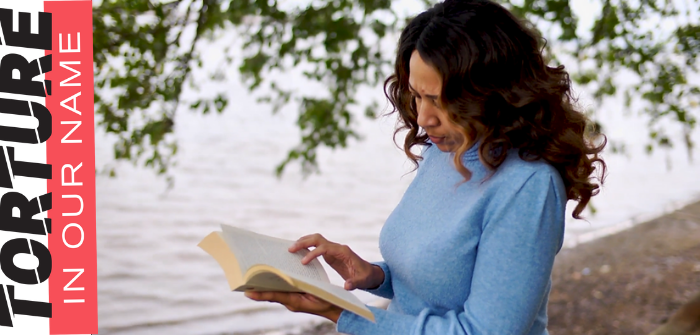
- Organize a screening of NRCAT's film Torture in Our Name
- Organize a screening and discussion of the full-length documentary The Strike
- Join or invite others to join NRCAT's National Network of Solitary Survivors
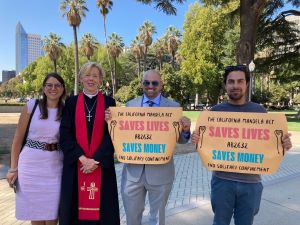
- Join one of the more than 20 state campaigns working on education and advocacy to end the torture of solitary confinement
- Share one of the Humans Out of Solitary videos on social media or use one for an opening reflection in a meeting
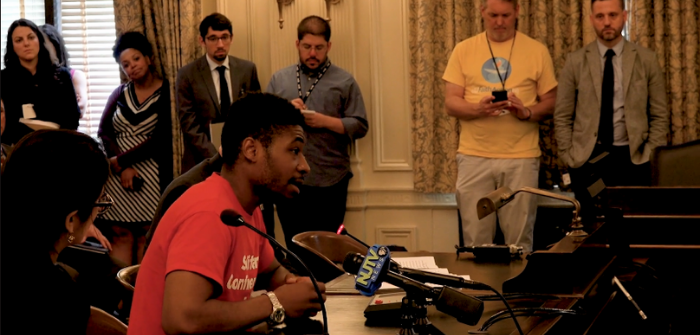
- Invite a solitary survivor to speak at an online or in-person event- email This e-mail address is being protected from spambots. You need JavaScript enabled to view it for more information
- Organize a Reading or Production of “If the SHU Fits: Voices from Solitary Confinement” - Learn more
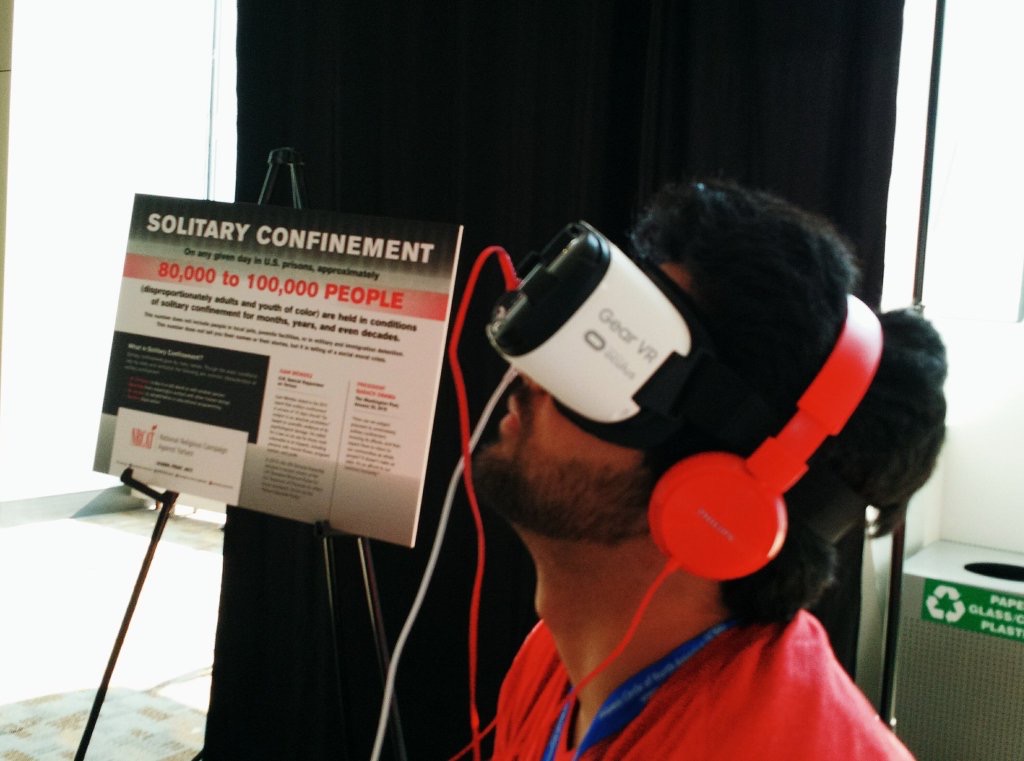
- Use one of the Virtual Reality experiences - Learn more
- Bring the NRCAT replica cell to a national conference or build your own - Learn more
LEARN MORE
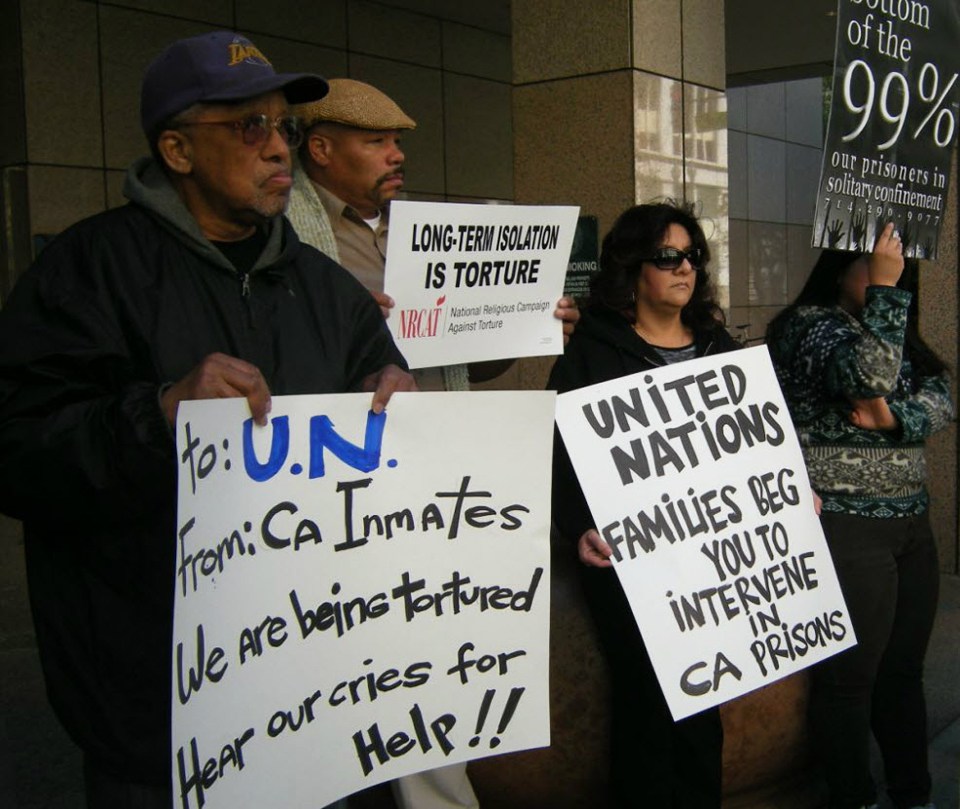
On any given day, it is estimated that around 122,000 people, disproportionately people of color, are held in solitary confinement. That number does not include people in local jails, juvenile facilities, or in military and immigration detention. That number does not tell you their names nor their stories, but it tells the story of a societal moral crisis.
The U.S. accounts for 5% of the world's population and 25% of the world's incarcerated. There are over 40 state-run super-max prisons and one federal super-max prison in the U.S.-- each of which holds incarcerated people exclusively in solitary confinement. By comparison, in the early 1980s, there was one. Incarcerated adults and youth end up or remain in solitary confinement or are unable to move out of isolation often due to non-violent rule infractions and as a result of mental illness.
Solitary confinement has a variety of names: "the box," segregation (“seg”), “the hole." Incarcerated people are confined to a cell (alone, or with another person) for 22-24 hours per day, with an hour alone in an exercise cage. Food is pushed through a small slot in the door. Those who have survived it describe the experience as being "buried alive."
Then United Nations Special Rapporteur on Torture, Juan Méndez, stated in his 2011 report that solitary confinement in excess of 15 days should "be subject to an absolute prohibition” based on scientific evidence of its psychological damage. He called for a complete ban on its use for those most vulnerable to its impacts, including persons with mental illness, pregnant women, and youth. Yet incarcerated adults and youth in the U.S. remain in isolation for months, years, even decades.
Join us in making visible this hidden torture, and working to replace it with restorative alternatives rooted in human dignity.